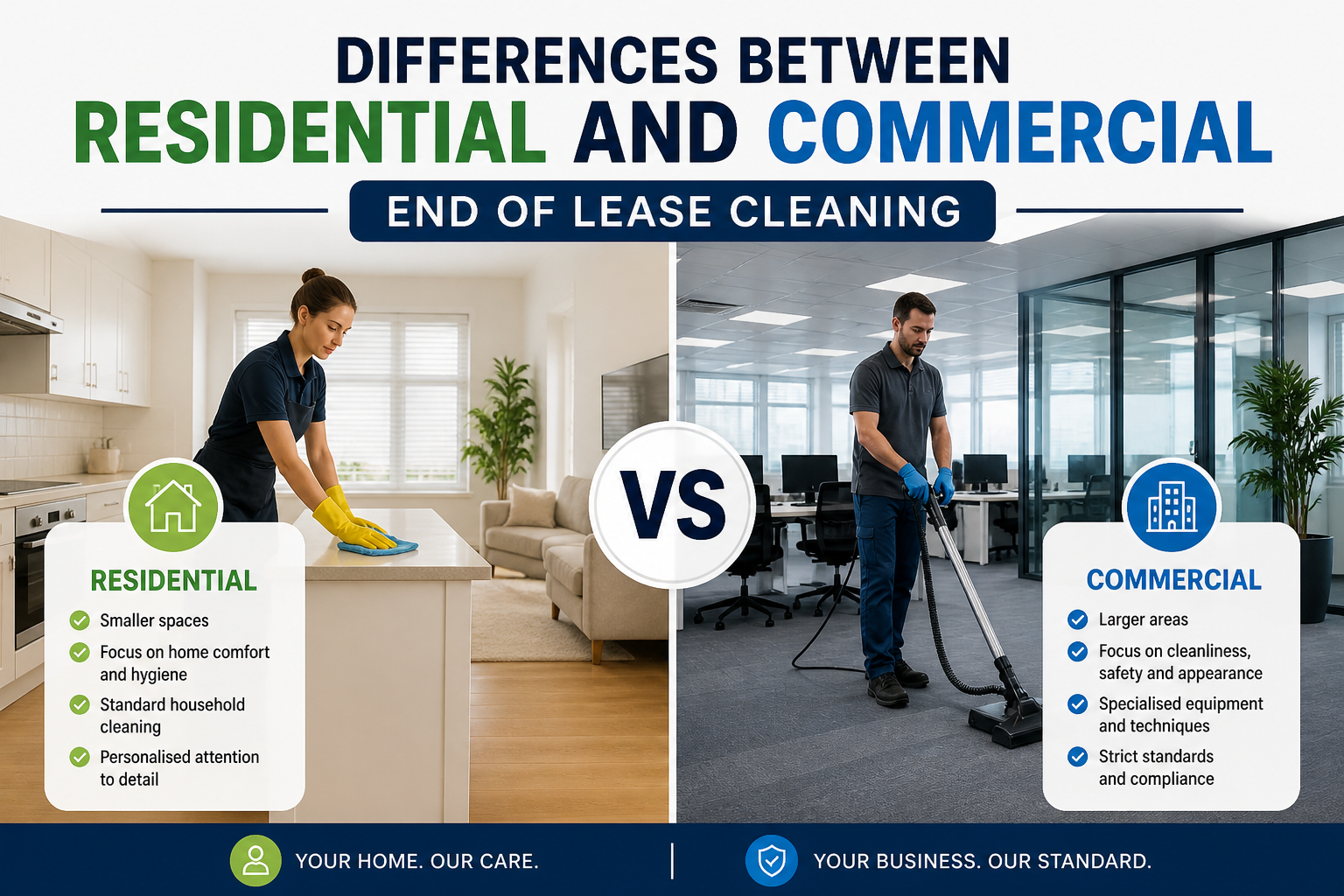
When it comes to the end of the lease, cleaning is most important because of securing your bond refund and ensuring a smooth property handover. But not all end-of-lease cleaning is the same; commercial and residential properties need different things in terms of size, standard, equipment, and cleaning requirements. If you are confused about the differences between residential and commercial end-of-lease cleaning, you are on the right track. In this article, we will discuss how to choose the right cleaning company, what they do, and what is covered in the end-of-lease cleaning. Stay tuned with us:
Table of Contents
What Is The End-Of-Lease Cleaning?
The end-of-lease cleaning is known as the move-in/out cleaning. Basically, this service is for those commercial and residential spaces that want to move in or out of rented property or buildings. This deep cleaning service is performed by tenants and professional cleaners chosen by the tenants. The main motive of end-of-lease cleaning is to restore the natural shine of the property and handover to its landlord in its original condition.
Bond cleaning is the same for both commercial and residential cleaning properties; scale and complexity vary widely.
What’s The Difference Between Residential And Commercial Cleaning?
| Feature | Residential Cleaning | Commercial Cleaning |
| Property Type | Homes, apartments | Offices, retail stores, warehouses |
| Complexity | Moderate | High |
| Equipment | Basic to advanced | Industrial-grade |
| Standards | Landlord expectations | Legal + industry regulations |
How Does The Scope Of Work Differ Between Residential And Commercial Cleaning?
End of lease cleaning for residential and commercial spaces mainly focuses on cleaning spaces that meet the landlord’s property cleaning expectations.
- Scope of Cleaning-
- Residential cleaning: the professional cleaners mainly focus on the kitchen, bathroom, house appliances, cabinets, carpet cleaning, and windows.
- Commercial Cleaning: experienced end-of-lease cleaners focus on large areas like lobbies, restrooms, and storage spaces, which include HVAC vents, and industrial flooring
- Cleaning Standards-
- Residential property: this is mainly based on the landlord and property manager’s cleaning expectations and making the property ready to move.
- Commercial Property: meet with strict hygiene, industrial safety, and inspection complex standards.
- Equipment & Products
- Residential: residential cleaning usually takes common cleaning tools like Vacuum cleaners, mops, and household cleaning agents.
- Commercial: for maintaining heavy-duty industrial safety grade, they use heavy-duty industrial cleaning tools.
- Time & Workforce
- Residential cleaning time: the residential cleaning usually takes a few hours to complete, depending on the house size, and it requires a small cleaning team
- Commercial Cleaning Time: the commercial cleaning usually takes several hours, and on days when cleaning is hard, it requires large-scale cleaning and specialized teams
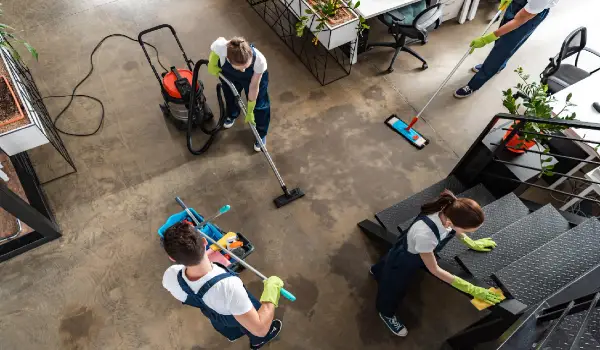
Which Type Of Cleaning Products Are Used For Each Type?
Both commercial and residential move-in and out cleaning needs various cleaning solutions that match the property safety standards. Residential cleaning requires normal cleaning, and commercial cleaning needs rough, strong cleaning solutions.
| Residential cleaning solutions | Commercial Cleaning Products |
| It needs Mild, non-toxic detergents | Industrial-strength degreasers for harsh grease removal |
| Eco-friendly surface cleaners are enough | Heavy-duty disinfectants and sanitizers for maintaining safety standards |
| Glass and window cleaners for restoring natural shine | Floor stripping and polishing chemicals |
| Bathroom disinfectants for removing stubborn stains and soap scrum | High-strength stain removers |
| Kitchen-safe degreasers for cleaning kitchen tiles and sinks | Sanitizing agents for high-traffic areas to eliminate bacterial infections |
| Carpet and upholstery cleaners restore shine without affecting carpet fibers | Specialized cleaners for machinery and office equipment |
What Is The Step By Step Process Of Residential End Of Lease Cleaning?
For cleaning the residential space, you need various things such as inspection, cleaning needs, cleaning solutions, and how to clean. Residential end-of-lease cleaning generally includes:
- Inspection & planning
- Packing items and preparation
- Dusting all areas, like furniture
- Deep cleaning of the kitchen
- Bathroom sanitization
- Proper vacuuming and flooring
- Window and glass cleaning
- Wall support cleaning final touch-up
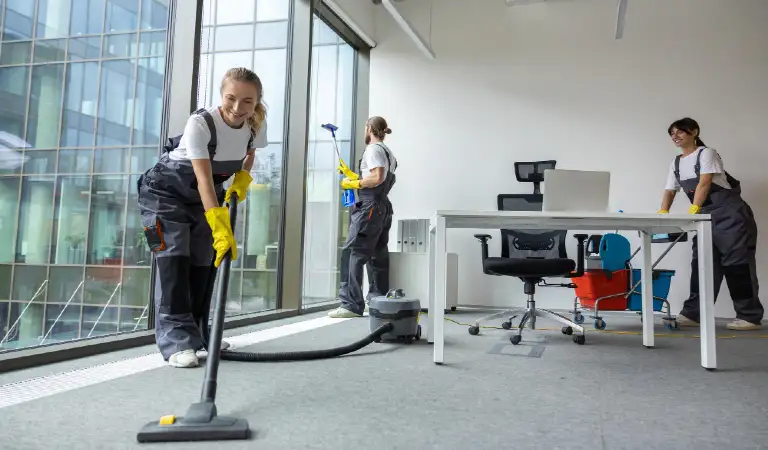
What Is The Step-By-Step Process Of Commercial And End-Of-Lease Cleaning?
For moving out of the commercial corporate office cleaning, the professional end-of-lease cleaners usually ensure the checklist:
- Site inspection, such as property size and requirements
- Make a cleaning plan & ensure a checklist
- Area division
- Dusting all the surfaces
- Deep restoration of areas
- Kitchen and pantry cleaning
- Proper floor care
- All equipment sanitization
- Waste removal disposal
When you want to make your move out smooth and stress free, you need to choose the best leading end-of-lease cleaning company that works professionally for you.
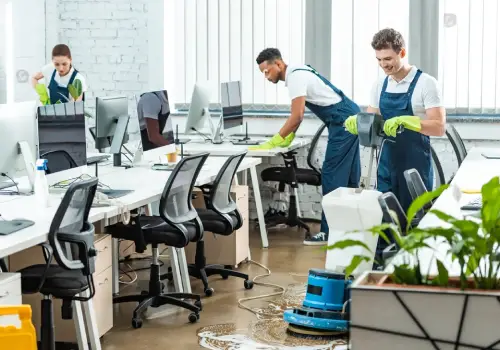
People Also Ask About the Differences Between Residential And Commercial End-of-Lease Cleaning
Q.1 Are the regulations different for residential and commercial cleaning?
A: Yes, the regulations are different for every residential cleaning; they both follow the health and safety guidelines set by the landlord and local authorities. And the industry lease cleaning complies with various industry safety regulations that work for enhancing industry safety standards, and formal compliance requirements depend on the variety of businesses.
Q.2 Which areas are covered in residential end-of-lease cleaning?
A: Basically, the residential end-of-lease cleaning covers all the house appliances, which include bathroom, kitchen, floor, living area, windows, and oven cleaning. The professional cleaners ensure your property is ready for inspection and ensure all appliances are in good condition.
Q.3 Do residential and commercial cleaning require vacuum cleaners?
A: Yes, both commercial and residential cleaning require commercial and vacuum cleaning, but commercial cleaning requires more powerful industry-grade vacuums because of removing dust from heavy machines.
Q.4 How long does this cleaning take?
A: End-of-lease cleaning depends on the size of the property and its condition. The cleaning usually takes a few hours to a full day; on the other hand, the commercial cleaning takes multiple days and has more complex requirements.
Q.5 Does commercial cleaning charge per square foot?
A: Yes, some commercial cleaning companies charge per square foot, mostly for large space areas, but the pricing depends on the cleaning service type, level of cleaning, and service hours.
Q.6 How to choose the best end-of-lease cleaning company?
A: For Choosing the best cleaning company really matters because a company with good reviews, a clear cleaning checklist, and proven records always gives you the best results. You need to always look for quality service and peace of mind.
Q.7 Does pest control include the end-of-lease cleaning?
A: Not generally, pest control is not included in standard end-of-lease cleaning. This is the extra service when required, so you need to choose the end of the lease agreement.